

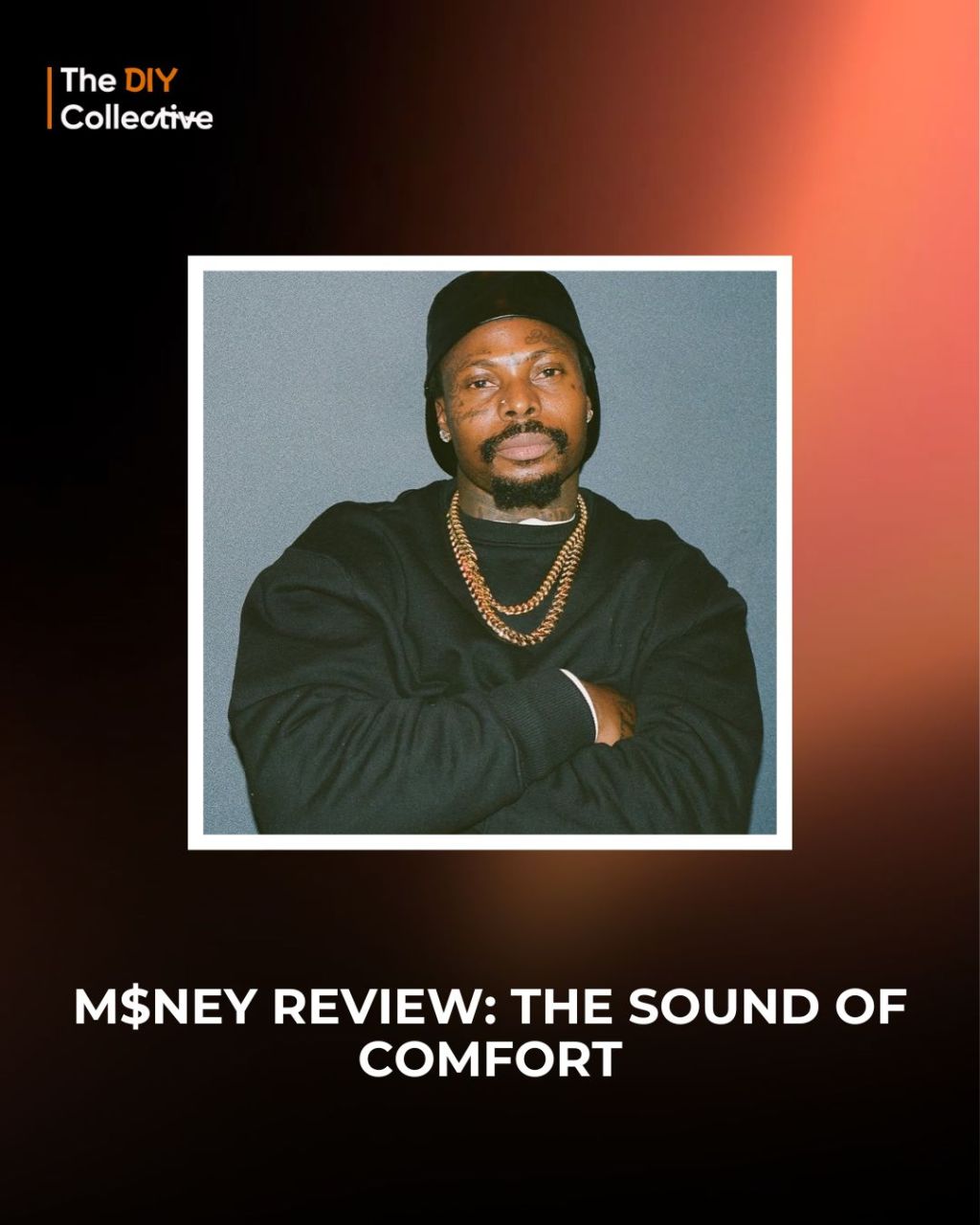
‘Ololade Asake’ was Asake’s breakthrough EP and formal introduction to the world; he was that young man who had longed for greatness and had hustled his way through all these years to get to where he was. That drive was carried into his debut album, Mr Money With The Vibe, and continued through Work of Art, consistently dropping hits and maintaining quality.

Two years ago, he released his third studio album, ‘Lungu Boy‘, which marked a noticeable shift in his sonic direction, and his choice of producers reflected this change; it felt more relaxed, leaning into a ‘big boy’ persona and showcasing new hobbies.
Now, two years later, Asake returns with his fourth studio album, M$NEY. This time around, he’s reunited with Magicsticks, relying heavily on log drum-driven productions, blending Amapiano elements, choral arrangements, and Fuji influence, back to where he started.
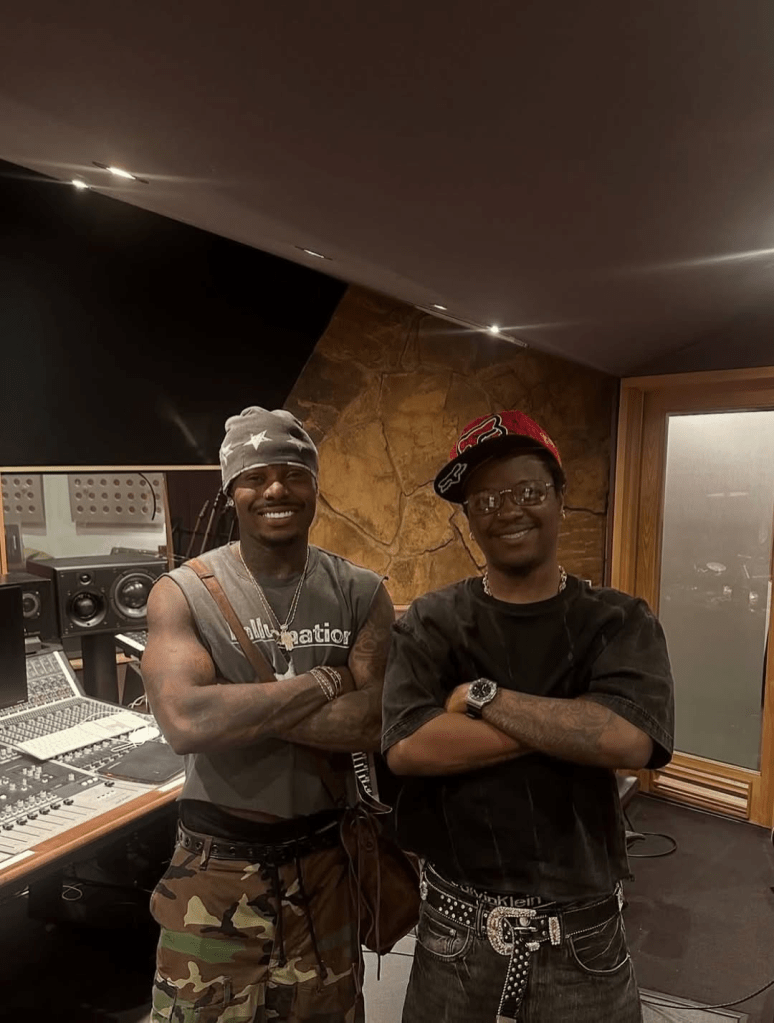
When ‘Worship’ was released, I wasn’t the biggest fan of the song. However, it fit perfectly as an intro to this album. Yes, we’re going to disregard the first 27 seconds of the album. Seeing the tracklist and runtime, I wondered, ‘What could Asake possibly have for us in this intro?’ and when I heard it, it didn’t quite sit right with me, especially since Nigeria is a country with more than 500 indigenous languages. Couldn’t he have chosen another language if he didn’t think Yoruba was the best fit? But again, no words.
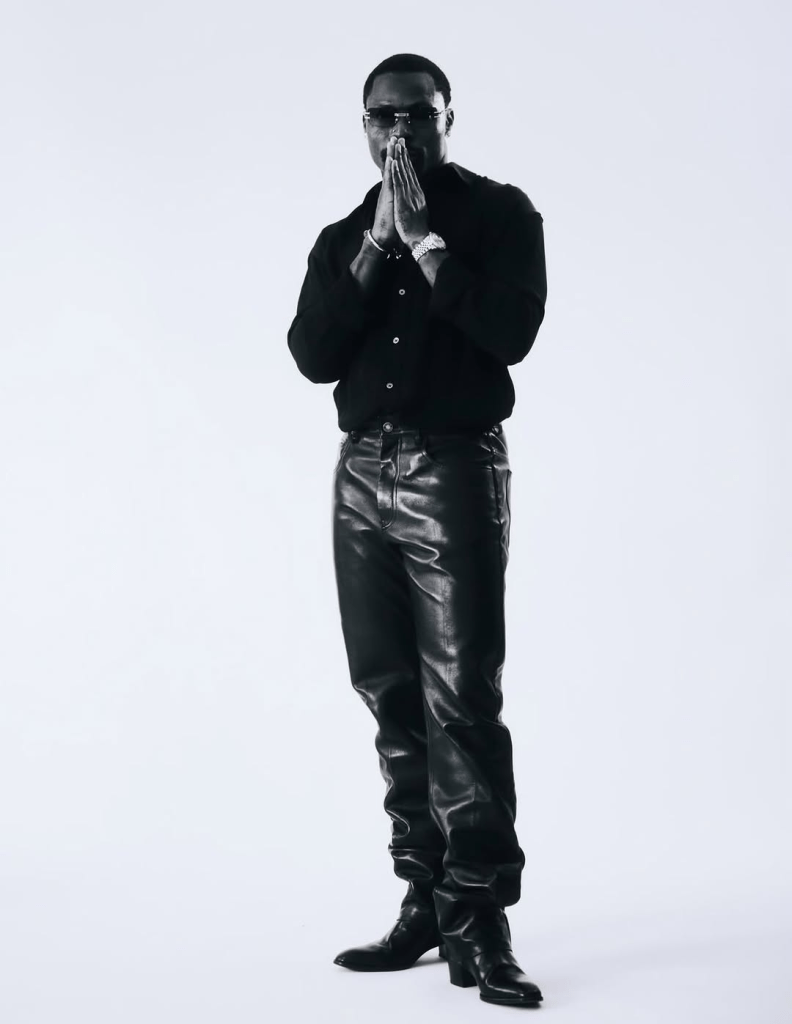
Moving on to ‘Gratitude’, Asake remains firmly in his element. He’s still on the theme of Thanksgiving, just as the title says. It’s a beautiful record where he reflects on his blessings, supported by rich backup vocals and prominent horn arrangements. He takes a step back vocally at times, allowing the instrumentation to breathe, only stepping in occasionally to reaffirm his gratitude.
This approach defines much of the album. It is heavily driven by instrumentation: horns, strings, and layered production that create a lush, immersive soundscape.
Rora, the follow-up track, is led by horns, shakers and percussion. Here, Asake remains restrained, letting the production take the lead as he talks about the need for patience and cooperation. ‘Pele pele, l’aye gba’. There’s a subtle tension, though; it’s almost as if the rugged, hustler side of Asake wants to break through a bit later in the track, but then he remembers, ‘omo ologo, rora e’ – just bump your head and enjoy this steady ride while the song fades out smoothly, ending with a melodic female vocal that reinforces its calm, reflective tone.
If there’s one thing Nigerian artists will always do, it’s to pray in their songs. I would draw up a list of those who’ve said a word of prayer or two or have had a song titled ‘Amen’, but that will be time-consuming, so we’re just going to focus on Asake’s ‘Amen‘.
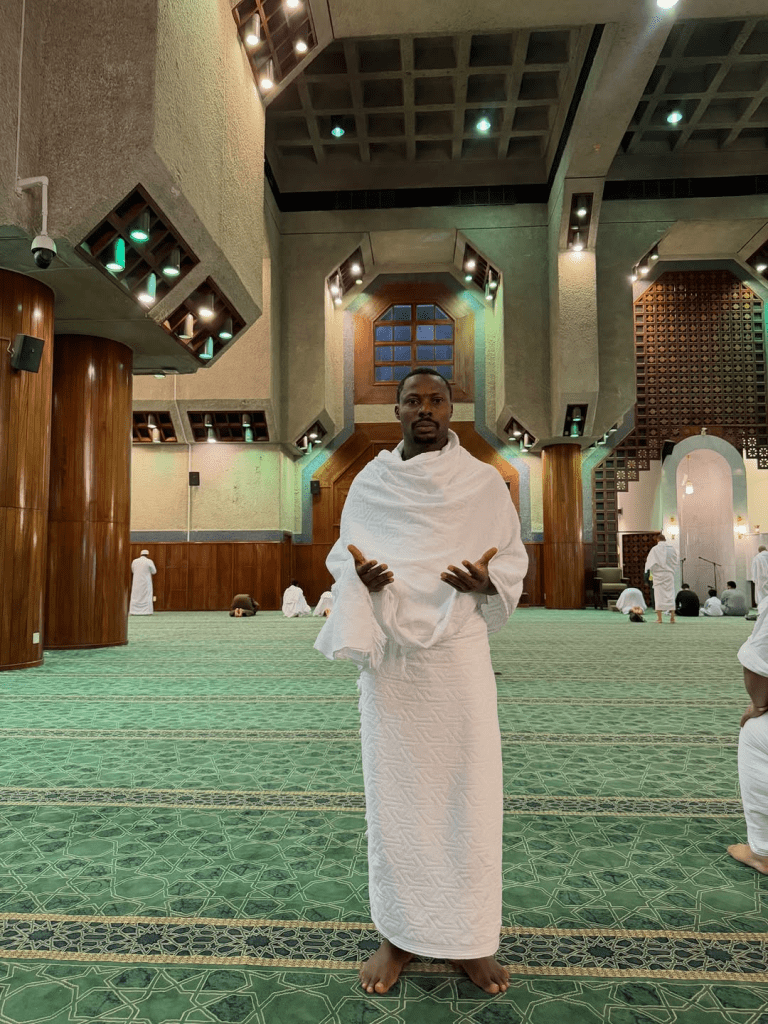
The track opens with him in the background, delivering what seems to be an Islamic recitation while Magicsticks takes the lead before he comes in to do his job. Again, he’s still all about making money, manifestations and being determined. But at the core of it all, he seeks alignment with Allah and asks for continued blessings.
Asake, a deeply spiritual artist, centres this album around prayer, whether he’s asking for more or giving thanks to God for the blessings and wealth he’s amassed. Still, he occasionally shifts gears to explore romance, like on ‘WA’ produced by Blaisebeatz.
Perhaps this break in transmission was needed. While Asake isn’t typically known as a “lover boy”, his past attempts have, however, stuck in the hearts of his listeners: Terminator, Remember, Why Love, and Mogbe. Will this song pick up the baton and continue the race?
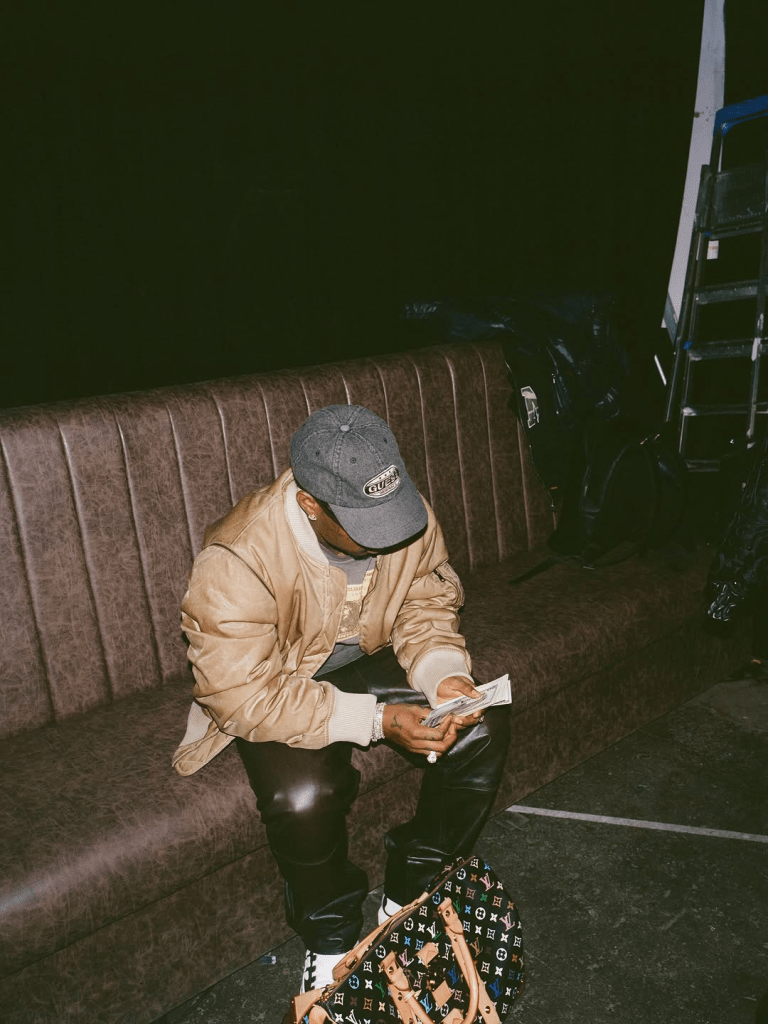
His collaboration with Blaisebeatz continues on ‘MCBH’. You just know that someone has touched a certain amount of money when they start to say, ‘money can’t buy happiness.’ Asake circles back to the theme of money: unsurprising, given the album’s title, and rambles on about the ‘lifestyle’. Asake is in his big man era, confidently talking his talk: ‘Don’t touch my cigar… always getting paid, my jigga.’ The female vocalist adds a refreshing contrast that elevates the track, so I guess it works.
Why Love stands out, even as a familiar record. You might think you’ve heard enough of it already, but within the album, it feels renewed and fully realised. It’s no wonder it sat comfortably on the charts all this while.
On ‘Forgiveness’, strings introduce the track before horns take over, once again proving Magicsticks’ strength with orchestration. Asake leans into repetition, repentance and consistency, acknowledging his flaws while striving to do better; after all, nobody’s perfect. The bassline on this song, though? Heavenly. And it’s no surprise that it has become one of the people’s favourites.
I particularly liked the transition into Oba: it was seamless. The track interpolates 2Pac’s Do for Love, and Asake delivers one of his most lyrically dense performances on the album.

Gliding over a Fuji-infused hip-hop beat layered with Caribbean-style guitars, he leans into a melodic rap style while asserting his identity, reminding listeners that he’s been HIM since the year he was born.
On Badman Gangsta, another pre-released single where Asake teamed up with P.Prime and French rapper Tiakola. This song does not cut from Amapiano and house fabrics, opting for a more laid-back, steady groove, where Asake positions himself as both proudly Nigerian and consistently successful.
The last two songs on the album, however, feel like a decline in Asake’s performance. Asambe, the South African-produced amapiano track, is like any other Amapiano production, solid sonically, but Asake’s performance on the song was underwhelming, and when he wasn’t singing, the song was more enjoyable. Personally, I would’ve preferred if he went the Sunmomi route and just repeated Asambe rhythmically whenever he could.
‘Skilful‘ felt out of place as an outro, just like the intro. Ironically, for a record where he claims to possess many skills, his delivery doesn’t reflect that versatility. It ends up being one of the weaker moments on the album.
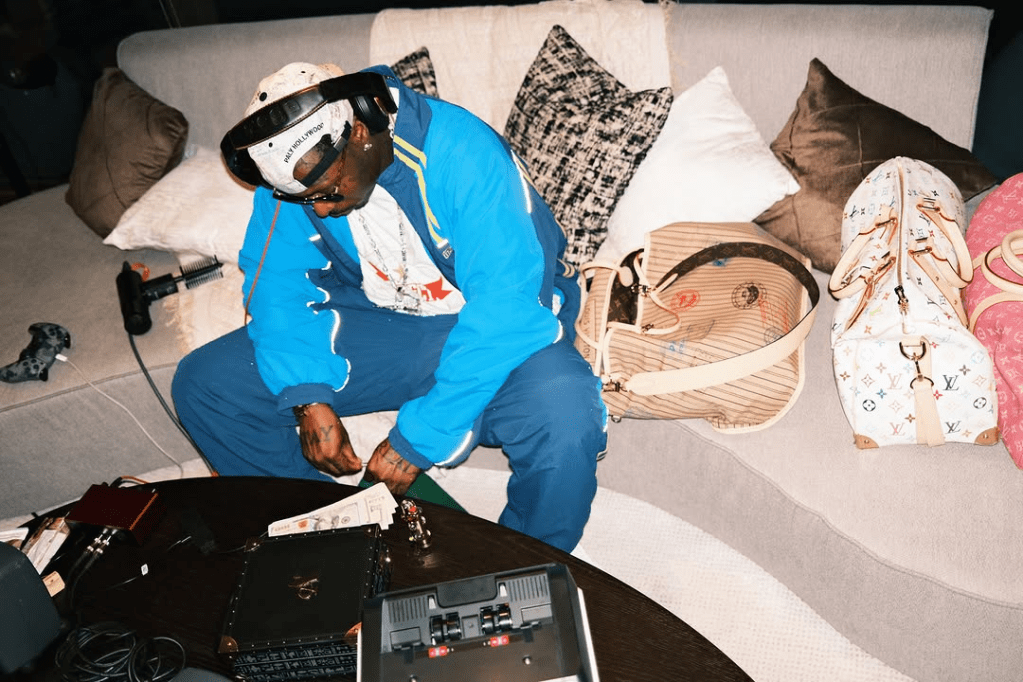
Ultimately, M$NEY feels like the sound of comfort: ‘I like where I’m at right now,’ and that is evident in this album. The hunger and urgency that defined his earlier projects are noticeably absent. Instead, this is a more relaxed Asake, relying heavily on production-driven tracks with fewer words and less intensity.
This does not make it a bad album. But when placed alongside his earlier work, it doesn’t quite reach the same heights.



Leave a Reply