
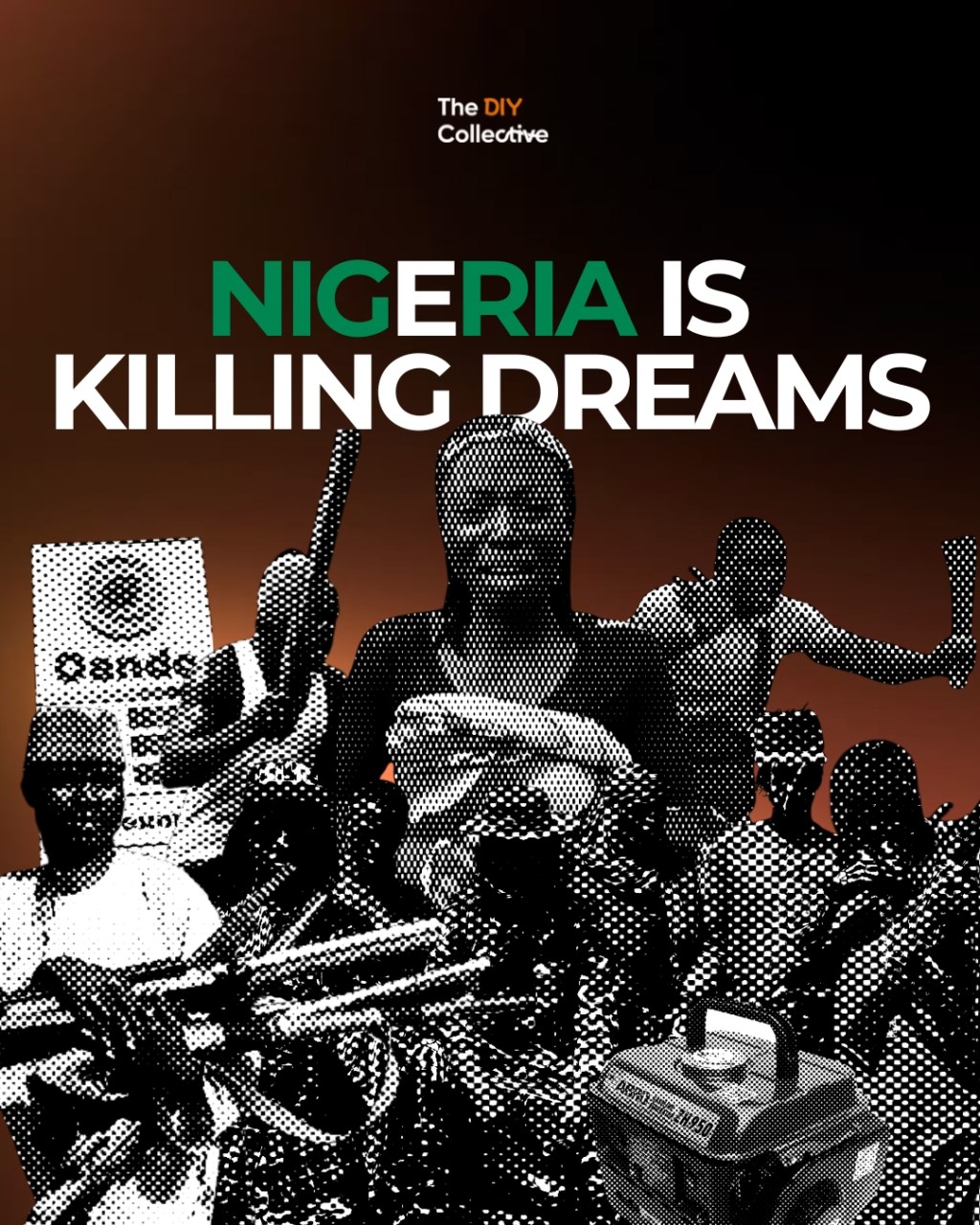
It cannot be overemphasised how difficult the country has become for almost everyone. The rich feel it. The poor feel it. There’s no middle class anymore. You’re either poor or rich. Everyone is carrying the weight of rising costs, insecurity, failing systems, and years of bad governance.
What’s even more worrying is how normal bad news has become.
Every day, there’s another report of a kidnapping. Another killing somewhere in the country. We post about it, react, and then go on about our day because that’s the new normal.
On the surface, these problems affect everyone. But the deeper you look, the more you realise they create another problem we rarely talk about: they are quietly making it harder for creatives to create.
The other day, @cindythehashira complained about agberos preventing her from creating content in a public space unless she paid them.
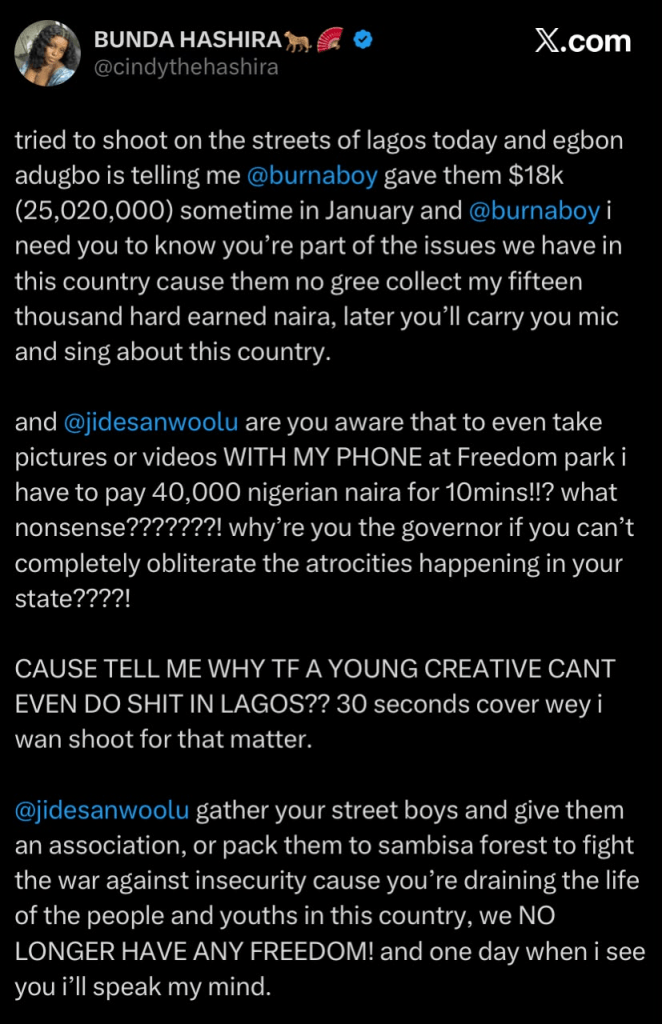
Think about how ridiculous that sounds.
We can blame artists and popular content creators for enabling them, but in a functioning country, creating content in a public space or park shouldn’t attract an unofficial fee.
Yet photographers, videographers, content creators, filmmakers, and entire production teams deal with this regularly. You either pay up and continue working or risk having equipment worth millions damaged or seized. In some cases, you risk harassment or physical assault. And the funny thing is, you can’t even get them arrested, so it’s genuinely and sadly your loss.
If shooting on the streets is a problem, then at least staying at home to work shouldn’t be an issue. Or so you’d think.
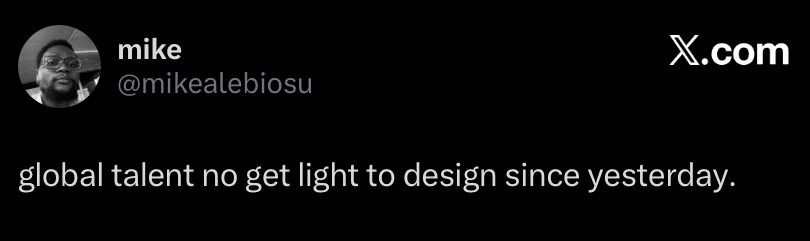
The national grid collapses at least once every month, and when it isn’t collapsing, there are the usual unexplained power outages.
For creatives, electricity isn’t a luxury. It’s the foundation of the work. Editors need power. Animators need power. Designers need power. Artists and producers need power.
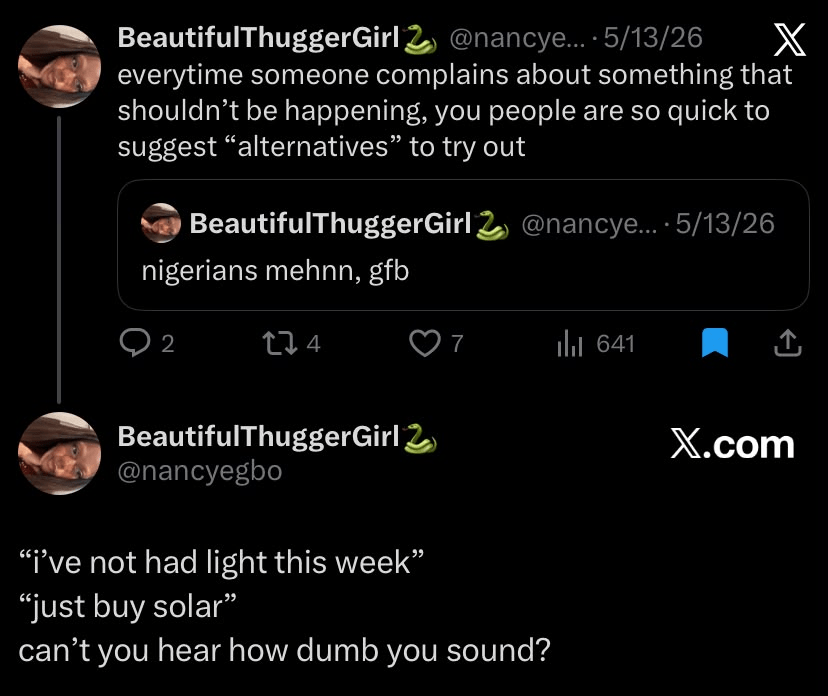
Getting fuel to run a generator now costs so much that sometimes you’d rather wait and hope the electricity company decides to do their job. But like people on Twitter would say, “just buy solar” because it’s very “affordable“.
Then there’s the cost of data. Barely affordable. The cheaper plans often come with poor coverage and frustrating internet speeds, forcing people to choose between affordability and functionality.
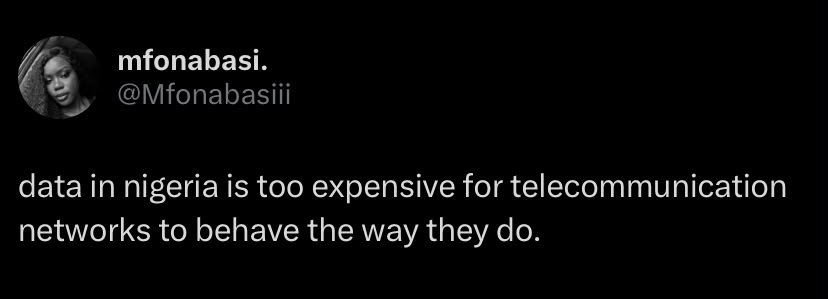
For creatives whose livelihoods depend on uploading large files, attending meetings, researching, collaborating, and finding clients online, that’s not a small problem. It’s a daily obstacle.
Then there’s rent. The high cost of housing should be considered a pandemic of its own.
Many creatives want to move closer to opportunities. Some want to relocate to cities where their industries are thriving. Others just want to live closer to work and spend less time commuting. Instead, many are forced to stay where they are because moving has become unaffordable.
So what do we do? We spend a significant amount of our income on transportation and hope it pays off someday. Many creatives aren’t staying where they are because they want to. They’re staying because they have no choice.
To crown it all, insecurity.
If you’re travelling to another state for work, safety has become a genuine concern. As a creative, if you’ll be travelling to another state for work, your invoice should include ransom fees. That’s a ridiculous sentence to write, but it’s the reality many Nigerians live with.
No creative should have to worry about getting home safely from a shoot. No filmmaker should have to think twice about travelling for a project. No photographer should have to calculate risk before accepting a job in another state.
Yet here we are. At the time of writing, it has been over three weeks since the abduction of teachers and students in Orire LGA, Oyo State.
Some of those teachers have spent years shaping young minds. And those children? Among them are future doctors. Future lawyers. Future engineers. Future photographers. Future filmmakers. Future creative directors. Future storytellers.
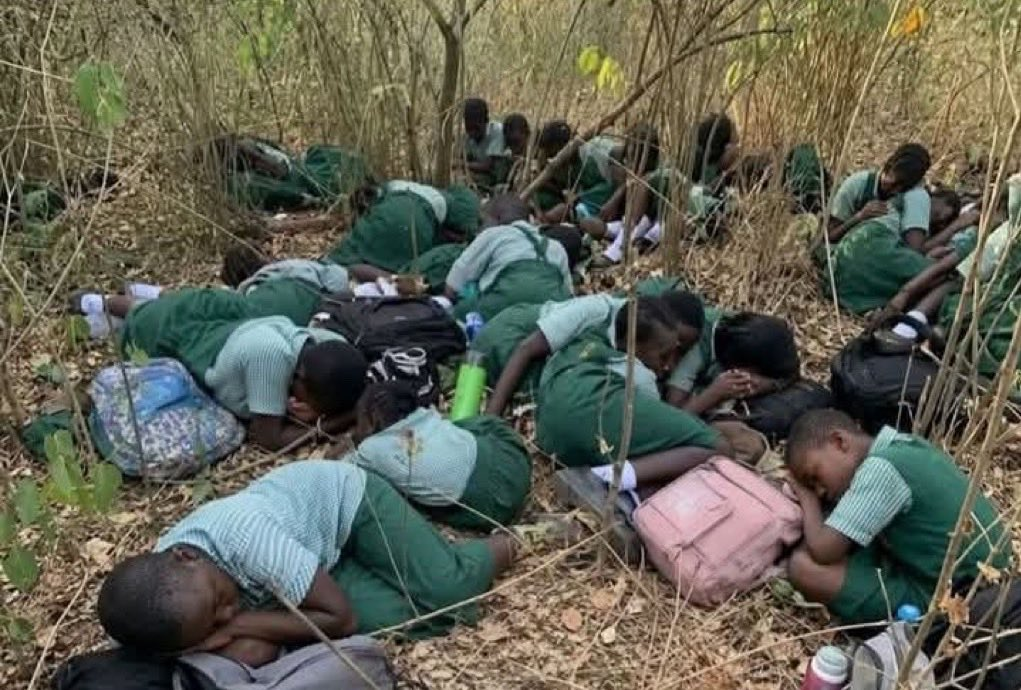
We may never know what some of them could have become because their futures have been interrupted by circumstances no child should ever have to endure.
Every day, the country feels like something out of a James Bond movie. Young adults are working two or three jobs and still struggling to afford Sharwarma and ice cream on a regular Thursday evening without feeling guilty afterwards.
Everyone is adapting and enduring. But that is not the same thing as living. We’ve been denied the future we were promised and, in return, we keep getting sold beautiful nothing.
Only 27% of eligible Nigerians voted in the last election.
Whether that’s due to apathy, frustration, distrust, or hopelessness, the result is the same. A small percentage of people end up deciding the future of millions.
Don’t let the belief that your vote won’t count rob you of your right to participate.
Get your PVC. Show up. Vote.

 The DIY Collective
Leave a Reply