


Growing up, there were Afrobeats artists that we could relate to, either because we were not so far off age-wise or because we wanted to dress like them.
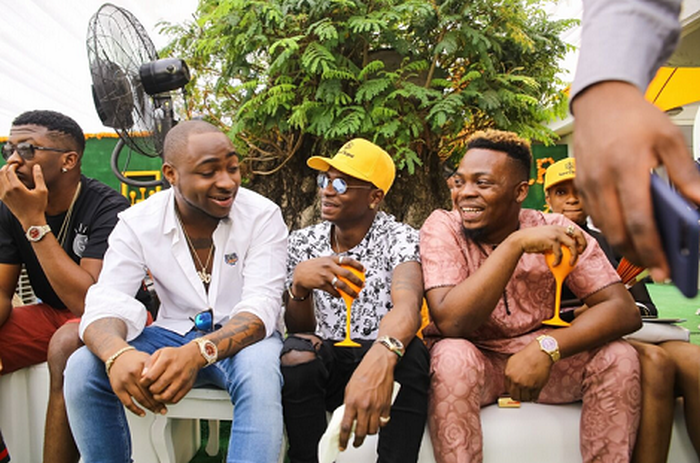
If you have wondered why some young adults in this present age have personal connections to artists like Davido, Burna Boy, Olamide, and Wizkid, it is because they watched them grow up.

Let’s get into it.
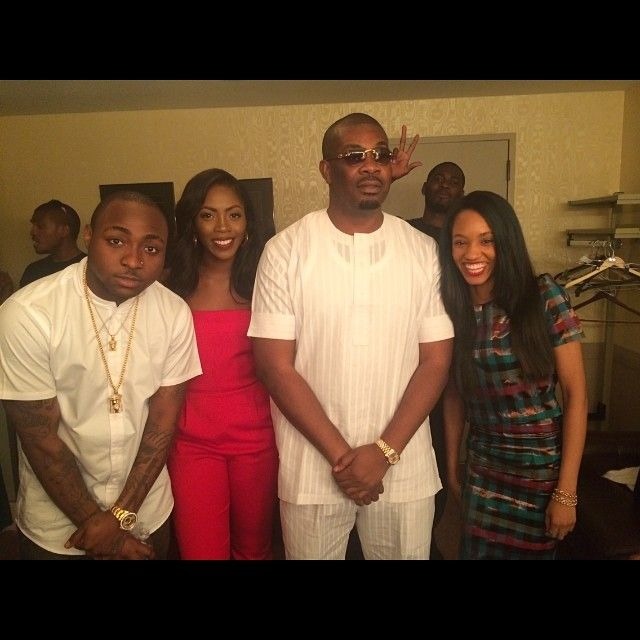
In the early 2010s, we had really good musicians. While some faded away after one or two hits, a few names stayed consistent. Rushing to school on a Monday morning with the entire lyrics of Wizkid, Burna Boy, Davido, Tiwa Savage, or Olamide’s new release in your head or written in a lyric book was real star power.
That argument before assembly, the comparisons when emotions were hot, were peak childhood memories.
Even though we were too young to understand some of the lyrics, like Lil Kesh’s Gbese or Olamide’s wild metaphors, we could still feel the music. Music has always carried a soul. It is left for your audience to connect to whatever soul you are channeling.
This begs the question. Do kids born in the late 2010s and 2020s have childhood popstars?
Are there musicians making songs that children can attach memories to?
Maybe the answer feels blurry because we have grown. Maybe we have detached. Maybe we now have access to a wider variety of artists from different countries and genres, so the idea of one dominant childhood popstar feels less visible. When the world was smaller, it felt like everybody listened to the same three names. Now, our playlists are global.
Twelve-year-old boys and girls arguing during break time, saving their lunch money to buy roadside lyric books just to learn the words. Funny how those books were collectible investments, even though the artist was not getting the cash.
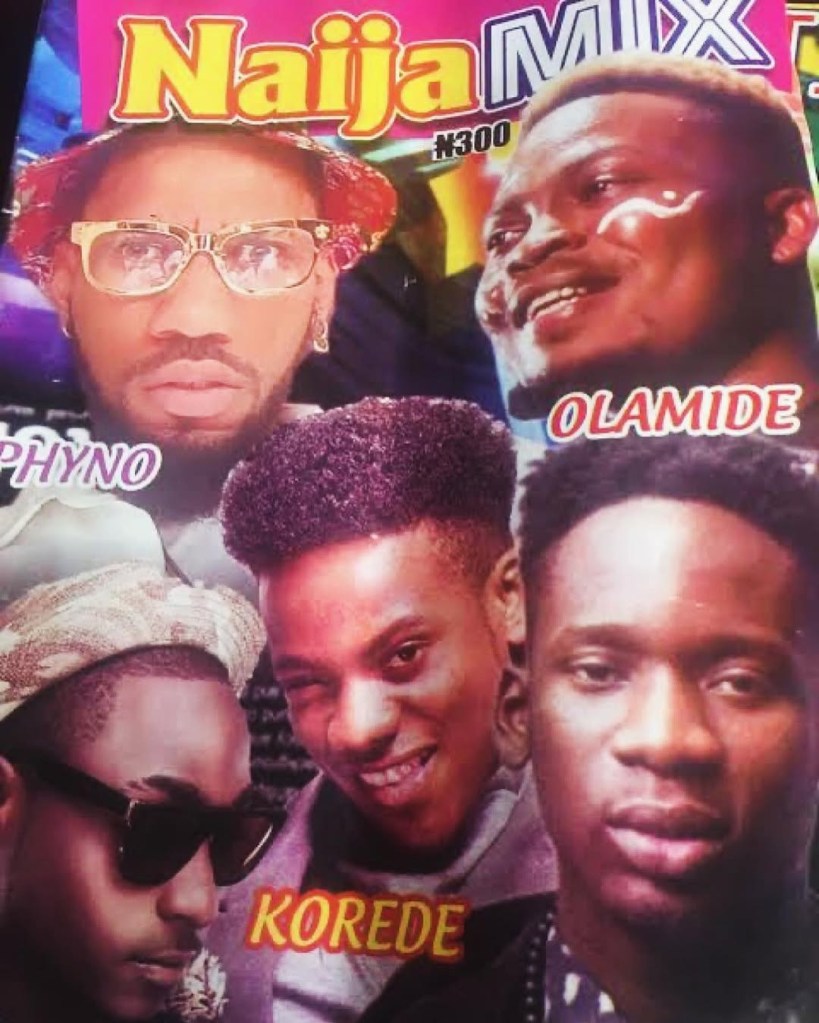
The music connected. It did what it needed to do. Rushing home after school to put on Soundcity, MTV Base, Trace, or HipTV. There was a country. Or better still, an industry.
People wonder how the big three are still relevant after more than a decade, and the simple truth is that they built their cult following brick by brick. Even when you outgrow their music, a part of you still loves who they used to be. Childhood admiration does not disappear.
But maybe childhood Afrobeats popstars did not die. Maybe we simply aged out of the moment.
The Nigerian music ecosystem that produced our memories changed shape. Back then, the industry felt smaller, like a big compound where everybody knew the same artists. If Wizkid dropped a song, the whole country reacted at once. That kind of shared attention is rare now.
Today’s kids are not growing up with Soundcity countdowns. They are growing up with TikTok, where music flies past them in seconds. Instead of a few childhood popstars shaping a generation, there are thousands of viral faces competing for one short moment. It is hard for any artist to become the soundtrack of your childhood when music comes in pieces, not full eras.
But that does not mean there are no childhood popstars for
them.
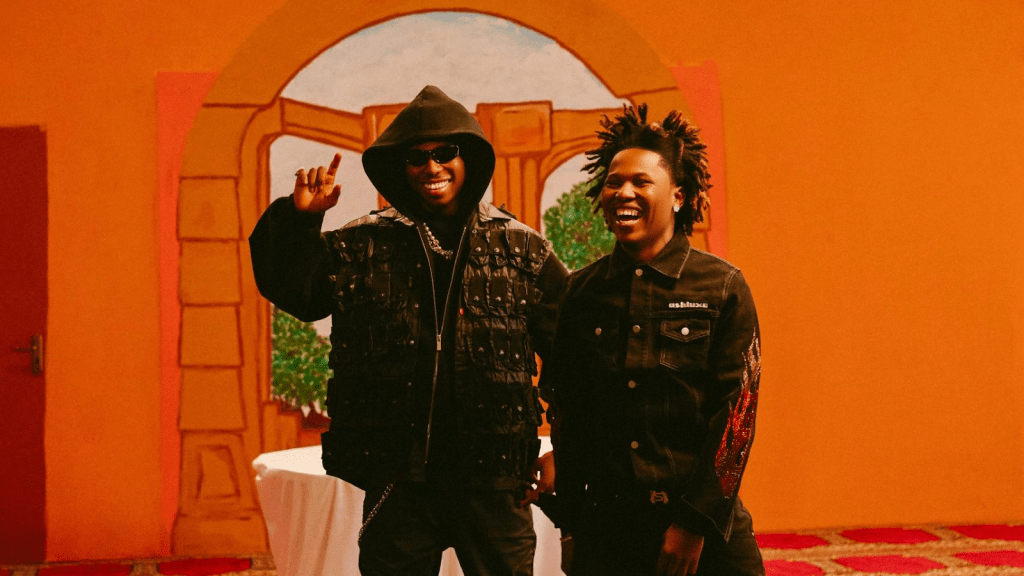
Kids today are growing up with artists like Mavo, Fola, Shoday, Zaylevelten, and others who are carving their own lanes. The names may not dominate our timelines the way Wizkid or Davido once dominated TV, but within their circles, within their age groups, these artists matter. They are building quietly. They are creating memories in classrooms we no longer sit in.
The industry also matured. Afrobeats is global money now, and labels want artistes who appear ready-made. Things feel more curated and less chaotic in the magical way childhood stars usually emerge. But even inside that structure, new attachments are forming.
The audience also changed. Kids do not sit with music the way older generations did. They are not arguing over lyrics in school or buying lyric books from traffic. They are meeting artists through fifteen seconds of a chorus. But the connection still happens. It just happens differently.
Maybe the quiet gap we feel is not absence. Maybe it is distance.
We are no longer the ones arguing over lyrics during break time. We are no longer saving lunch money for lyric books. We have grown. We have detached. And because we are not inside those playground debates anymore, it feels like something is missing.
The talent exists. The audience exists. The hunger exists. The memories are still being built. Just not for us.
So are childhood Afrobeats popstars dead? Or did we simply grow up and mistake our distance for disappearance?
That is the real question sitting underneath everything.
 The DIY Collective
Leave a Reply