

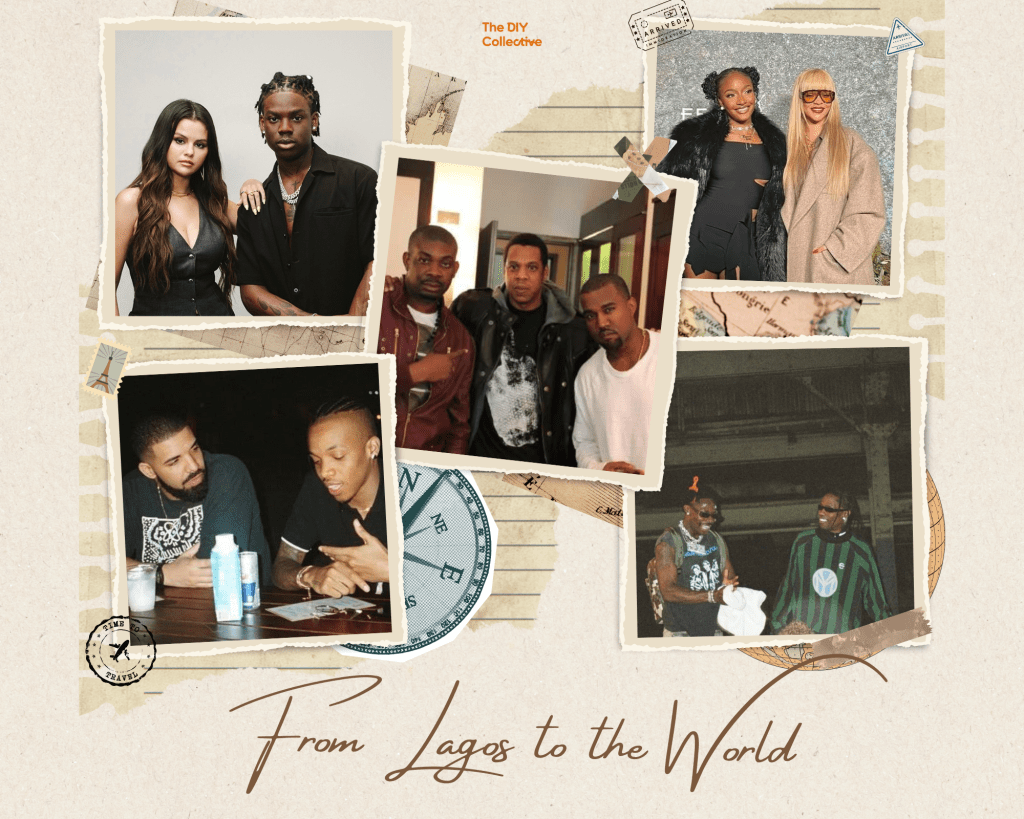
Once a hidden gem, Nigerian music is now a dazzling force lighting up stages worldwide. The rise of this vibrant soundscape is not just a tale of rhythm and beats—it’s a story of cultural pride, innovation, and an unyielding drive to be heard.
The Roots: From Highlife to Afrobeat
It all began with highlife, juju, and the politically charged Afrobeat of the 1970s. Fela Kuti, the maverick behind Afrobeat, didn’t just create music; he crafted anthems of resistance that resonated deeply within Nigeria and beyond. His music was a fusion of jazz, funk, and traditional Nigerian rhythms, but his fierce criticism of government corruption made him a legend. Yet, despite Fela’s global cult following, Nigerian music remained largely an undercurrent, appreciated by a niche audience but far from the mainstream.
The Hip-Hop Wave: The 90s and Early 2000s
Fast forward to the 90s, and a new wave began to crest. Nigerian youth, inspired by American hip-hop, started to create their own beats and rhymes, blending them with local flavors. Groups like The Remedies and Trybesmen led the charge, setting the stage for a revolution. Their sound, Afro-hip hop, was raw, authentic, and unfiltered, embodying the spirit of a generation ready to break free from the shadows.
As digital music production tools like FL Studio became accessible, a DIY culture emerged, allowing artists to produce and distribute their music independently. This period also saw the rise of Alaba International Market, a chaotic hub where music distribution thrived despite rampant piracy. It was from these gritty beginnings that Nigerian music began to find its voice.
The Afrobeats Explosion: Conquering the World
By the late 2000s, a new sound—Afrobeats—had taken root. This was not just music; it was a movement. Artists like 2Baba, D’banj, and P-Square became the faces of this genre, blending African rhythms with global sounds to create infectious hits that transcended borders. 2Baba’s
“African Queen” and D’banj’s “Oliver Twist” didn’t just dominate African charts—they made waves internationally, signaling that Nigerian music was ready to take on the world.
The 2010s marked the true explosion of Nigerian music on the global stage. Wizkid, Burna Boy, and Davido became household names, headlining festivals and collaborating with international superstars like Drake and Beyoncé. But it wasn’t just the music that captivated the world—it was the swag, the fashion, and the unapologetic celebration of African culture.
The New Vanguard: Rema, Ayra Starr, and the Future
Today, a new generation of artists is leading the charge, pushing Nigerian music to even greater heights. Rema, with his genre-defying sound, has captured global attention, earning a spot on Barack Obama’s playlist and racking up billions of streams. Ayra Starr, with her fierce, feminist anthems, is redefining what it means to be a young African woman in the music industry.
Then there’s Asake, whose street-hop anthems blend the grit of Lagos with infectious melodies that get everyone dancing, and Victony, whose versatility and unique voice are carving out a new space in the industry. These artists, along with many others, are not just riding the wave—they’re creating it, ensuring that Nigerian music continues to evolve, innovate, and inspire.
Asake, Travis Scott – Active (Official Video)
The Future is Bright
As streaming platforms like Spotify and Apple Music open up new avenues for discovery, Nigerian artists are reaching audiences in every corner of the globe. The music is everywhere—from London clubs to American airwaves to TikTok trends. And with more international collaborations, sold-out world tours, and Grammy wins under their belts, the future of Nigerian music is not just bright—it’s blinding.
In this electrifying global takeover, Nigerian music has not only secured its place in the global music industry but has also redefined it, proving that the rhythms of Lagos, the heart of African creativity, are indeed the heartbeat of the world.
 The DIY Collective
Leave a Reply